
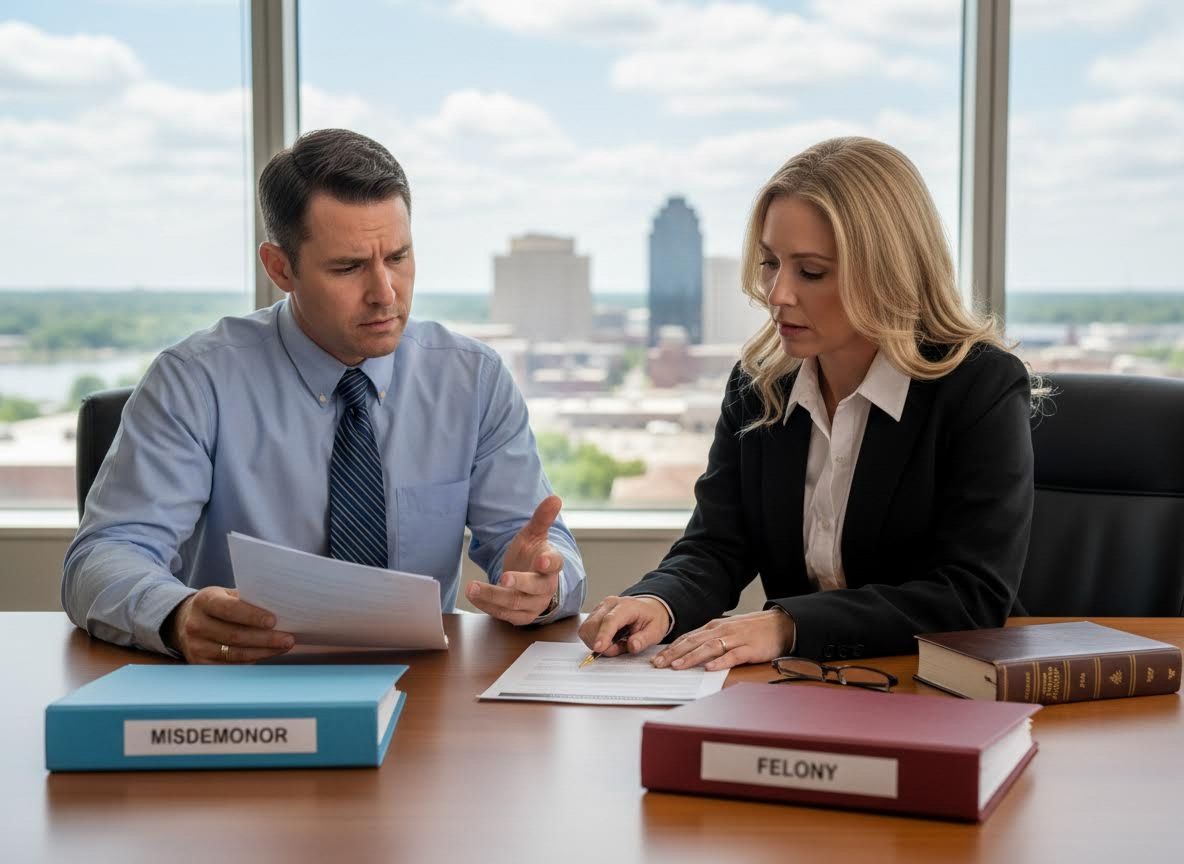
Navigating the criminal justice system can be a daunting experience, particularly when trying to understand the distinctions between different types of offenses. In Indiana, criminal acts are broadly categorized into misdemeanors and felonies, each carrying unique implications and potential penalties. Understanding these classifications is crucial for anyone facing charges in Evansville or the surrounding areas, as the path forward and the severity of consequences hinge on this fundamental difference. Danks & Danks has a long-standing commitment to helping individuals comprehend and confront such legal challenges.
Understanding Misdemeanor Charges in Indiana
Misdemeanors in Indiana represent less severe criminal offenses compared to felonies, though their consequences should not be underestimated. These crimes typically involve less serious harm to individuals or property. Indiana law classifies misdemeanors into three categories: Class A, Class B, and Class C, with Class A being the most serious. For example, a Class A misdemeanor might include battery resulting in bodily injury or theft of property valued at less than $750. Class B misdemeanors often involve charges such as public intoxication or possession of marijuana, while Class C misdemeanors could include disorderly conduct. Penalties for misdemeanor convictions can range from fines, probation, community service, and up to one year in a county jail. A criminal record, even for a misdemeanor, can impact employment opportunities, housing applications, and professional licenses.
Delving into Felony Charges in Indiana
Felonies constitute the most serious category of criminal offenses under Indiana law, typically involving significant harm, violence, or large-scale theft. Unlike misdemeanors, felonies are categorized by levels, from Level 6 to Level 1, with Level 1 felonies being the gravest. Examples of Level 6 felonies might include residential breaking and entering or operating a vehicle while intoxicated resulting in serious bodily injury. More serious felonies, such as Level 3, 2, or 1, often involve charges like aggravated battery, kidnapping, or murder. The potential penalties for felony convictions are substantially harsher than those for misdemeanors, including lengthy prison sentences in a state correctional facility, significant fines, and extended periods of probation. Additionally, a felony conviction often results in the loss of certain civil rights, such as the right to vote or possess a firearm, and can severely impede future life prospects.

The Broader Impact of Criminal Convictions
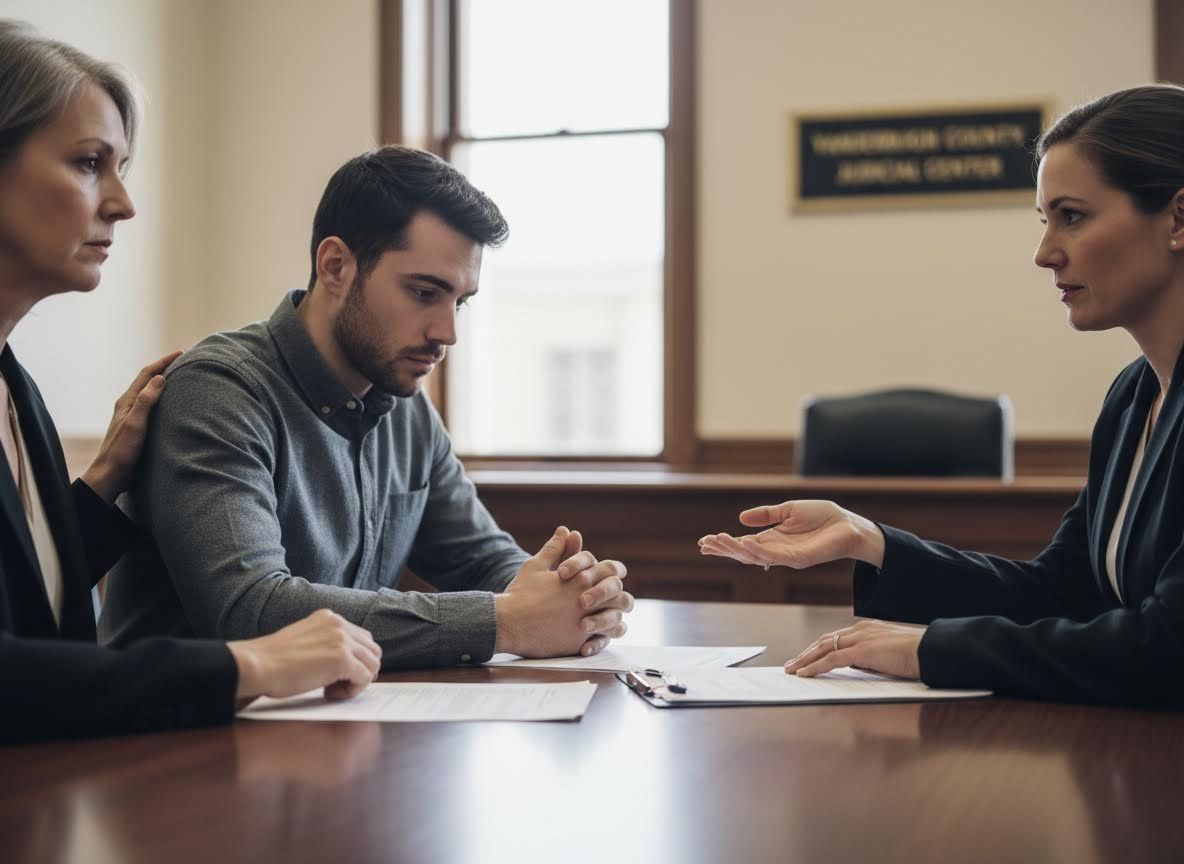
The ramifications of a criminal conviction, whether a misdemeanor or a felony, extend far beyond the immediate legal penalties. A criminal record can cast a long shadow over an individual's life, influencing various aspects from personal freedom to economic stability. Potential employers often conduct background checks, and a conviction can be a significant barrier to securing gainful employment, particularly in fields requiring licensure or security clearances. Housing applications, educational opportunities, and even the ability to obtain certain professional licenses can be jeopardized. Furthermore, individuals with criminal records may face social stigma and challenges in maintaining personal and professional relationships. Understanding these long-term impacts underscores the critical importance of robust legal defense when facing any criminal charges.
The distinction between misdemeanor and felony charges in Indiana is not merely a legal technicality; it represents a fundamental difference in the severity of an offense and the profound impact it can have on an individual's life. Navigating these complex legal waters requires a thorough understanding of state law and a strategic defense. Whether you are facing charges requiring a criminal defense attorney or dealing with other challenging legal situations, Danks & Danks offers experienced legal guidance. Our firm's expertise extends to various legal challenges, including family law matters like divorce or guardianship, and civil claims such as seeking a car accident lawyer or personal injury lawyer. To learn more about your legal options and how our team can assist you, we encourage you to contact our office for a confidential consultation.