
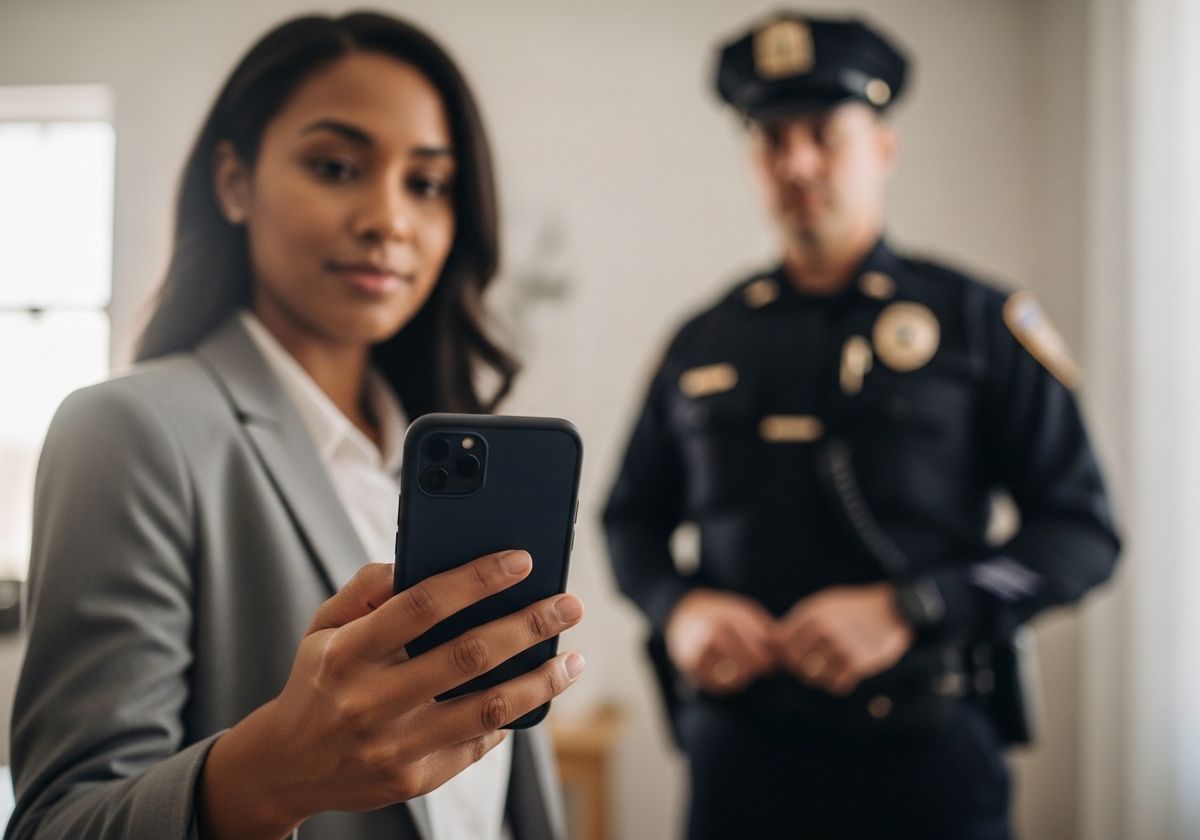
In today's digital age, our smartphones hold a vast amount of personal information. From photos and contacts to emails and financial data, these devices contain a digital fingerprint of our lives. As such, the Fourth Amendment of the United States Constitution protects us from unreasonable searches and seizures, including those conducted on our smartphones. At Danks & Danks, we believe that understanding your rights and knowing how to respond to a warrantless search of your phone is crucial.
The Fourth Amendment and Smartphone Searches
The Fourth Amendment generally requires law enforcement to obtain a warrant before searching your property, including your smartphone. A warrant must be based on probable cause, supported by oath or affirmation, and particularly describe the place to be searched and the persons or things to be seized. There are, however, exceptions to this rule.

Exceptions to the Warrant Requirement
While a warrant is generally required, there are certain exceptions where law enforcement may be able to search your smartphone without one. These include:
Consent: If you voluntarily consent to a search of your phone, law enforcement does not need a warrant. However, consent must be freely and voluntarily given, not coerced.
Exigent Circumstances: If there is an immediate threat to public safety or a risk that evidence will be destroyed, law enforcement may be able to conduct a warrantless search.
Search Incident to Arrest: Following a lawful arrest, law enforcement may be able to search your phone, but the scope of the search is limited.
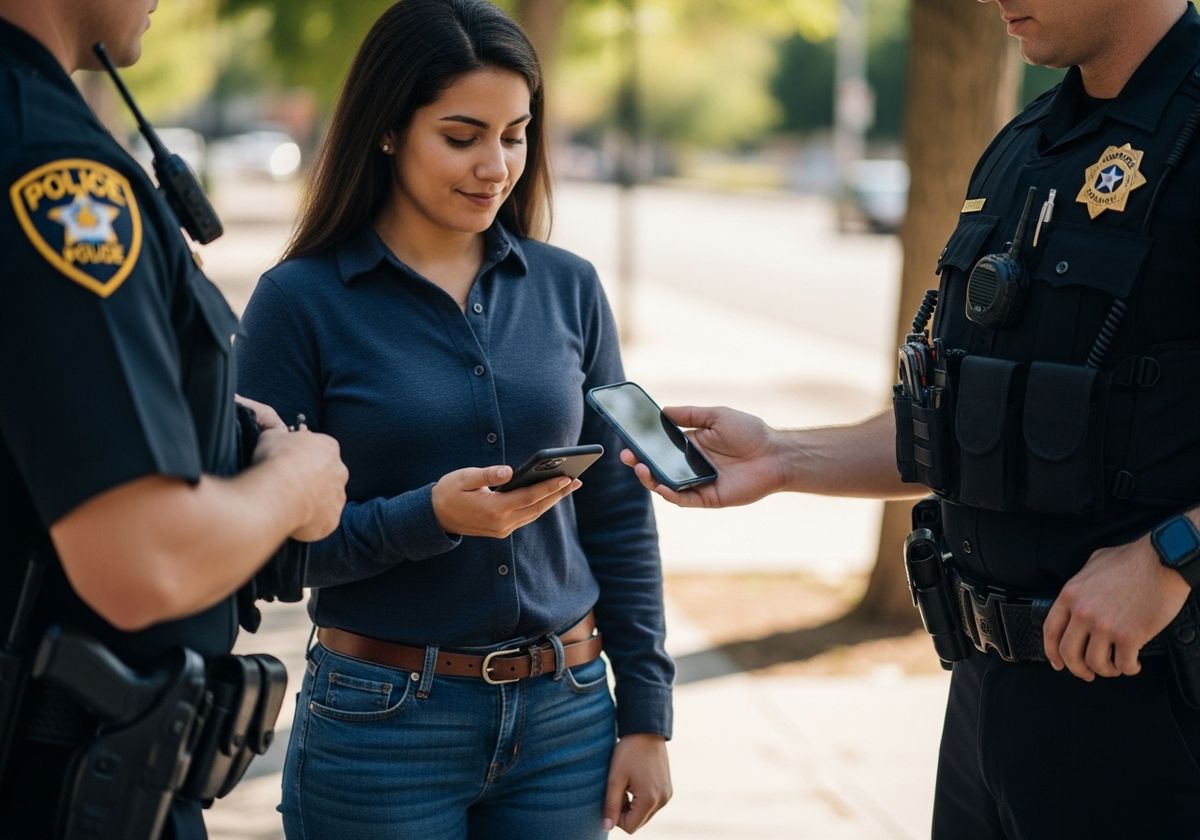
What to Do if Law Enforcement Asks to Search Your Phone
If law enforcement asks to search your phone, it's essential to remain calm and assert your rights:
Politely decline the request: Clearly state that you do not consent to a search of your phone. You have the right to refuse a warrantless search.
Ask if they have a warrant: If they don't have a warrant, reiterate that you do not consent to a search. If they do have a warrant, ask to see it and carefully review its scope.
Remain silent: Do not answer any questions beyond providing your name and identifying information. Anything you say can be used against you.
Document the encounter: Write down the names and badge numbers of the officers involved, as well as the date, time, and location of the encounter.
Challenging an Unlawful Search
If your phone was searched without a warrant and without your consent, it may be possible to challenge the legality of the search. An experienced criminal defense attorney can assess the circumstances of the search and determine whether your rights were violated. If the search was unlawful, evidence obtained as a result of the search may be suppressed, meaning it cannot be used against you in court.
Understanding your rights regarding smartphone searches is crucial in protecting your privacy. If you believe your rights have been violated, consulting with an attorney is highly recommended. Our award-winning attorneys at Danks & Danks take pride in delivering the results our clients need, with service they can trust. We represent individuals in a wide range of legal matters, including criminal defense. Contact us today for a free, confidential consultation to discuss your case.