

In the realm of vehicle accidents, determining fault can be a complex and often contentious process. Fortunately, modern vehicles are equipped with technology that can provide crucial insights into the moments leading up to a collision. Known as black boxes or Event Data Recorders (EDRs), these devices capture valuable data that can be instrumental in proving fault in vehicle wrecks. An experienced Evansville lawyer, like those at Danks & Danks, can help you navigate the complexities of accident claims.
Understanding Event Data Recorders (EDRs)
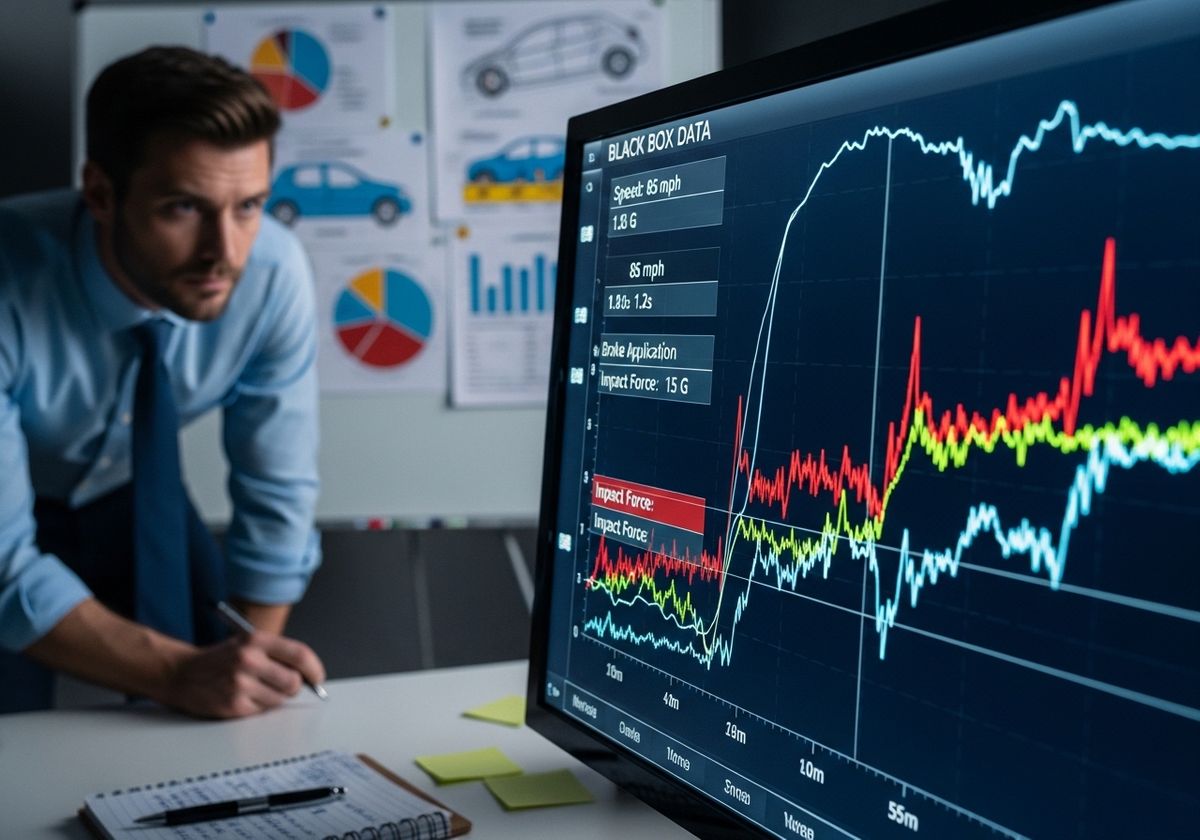
EDRs are similar to the black boxes found in airplanes. They continuously record data related to a vehicle's operation. In the event of a crash or a near-crash situation, the EDR saves a snapshot of this data, providing a detailed record of what occurred in the seconds before, during, and after the event. This information can be invaluable for accident reconstruction and determining liability.
The Data Captured by Black Boxes
EDRs record a variety of data points, including:
Vehicle Speed: The speed of the vehicle at various points leading up to the impact.
Braking Status: Whether the brakes were applied and the force of braking.
Throttle Position: The extent to which the accelerator pedal was depressed.
Steering Angle: The direction and angle of the steering wheel.
Airbag Deployment: Whether the airbags deployed and at what point.
Seatbelt Usage: Whether the driver and front passenger were wearing seatbelts.
This data can paint a clear picture of the driver's actions and the vehicle's behavior in the moments leading up to the crash. For example, if the data shows that a driver was speeding and failed to brake before impact, it can be strong evidence of negligence.
How Black Box Data is Used to Prove Fault
Black box data can be a powerful tool in proving fault in vehicle accidents. Here are some ways this data is utilized:
Accident Reconstruction: Experts can use the data to reconstruct the accident and determine the sequence of events.
Identifying Negligence: The data can reveal if a driver was speeding, distracted, or otherwise driving negligently.
Supporting Witness Testimony: Black box data can corroborate or contradict witness statements, providing a more accurate account of what occurred.
The Role of an Evansville Lawyer
Obtaining and interpreting black box data can be a complex process. An experienced Evansville lawyer, especially a skilled injury lawyer, can help you:
Obtain the Data: Attorneys can navigate the legal process to obtain the black box data from the vehicle.
Interpret the Data: Lawyers often work with accident reconstruction experts who can analyze the data and explain its implications.
Build a Strong Case: Attorneys can use the data to build a compelling case and negotiate a fair settlement.

Danks & Danks: Your Advocate in Evansville
Understanding the complexities of vehicle accident claims, especially when black box data is involved, can be stressful and time-consuming. Black box data offers a factual, unbiased look into the moments leading up to a crash, and when used effectively, it can be instrumental in proving fault and securing the compensation you deserve. Danks & Danks has a proven history of delivering results for our clients. If you've been involved in a car accident, contact our team for a consultation. We'll help you understand your rights and explore your legal options.